Augusta properties situated near natural moisture reservoirs face intense, prolonged mosquito pressure from late March through October. High humidity corridors along the Savannah Riverwalk, low-lying tracts near…
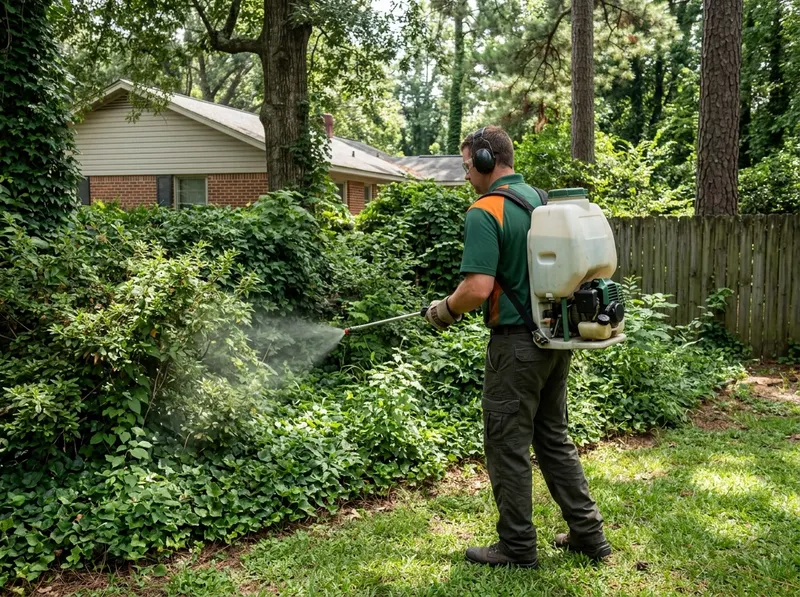
Augusta properties situated near natural moisture reservoirs face intense, prolonged mosquito pressure from late March through October. High humidity corridors along the Savannah Riverwalk, low-lying tracts near Phinizy Swamp Nature Park, and dense historic canopies in Summerville create persistent breeding habitats for the Asian tiger mosquito (*Aedes albopictus*) and the southern house mosquito (*Culex quinquefasciatus*). Standard consumer misting systems and hardware-store coils fail because they displace flying adults temporarily without interrupting the continuous reproductive cycle. A dedicated barrier application targets the precise resting surfaces where adult mosquitoes shelter from daytime heat, specifically the shaded undersides of broadleaf shrubs, ivy beds, low-hanging tree branches, and sheltered structural overhangs. This residual contact barrier bonds to outdoor vegetation, neutralizing mosquitoes on contact for 3 to 4 weeks while withstanding typical Augusta afternoon rain showers.
Effective defense requires distinguishing between adult perimeter control and water-borne larval suppression. While adulticide mist settles on landscape perimeters, water reservoirs hold emerging vectors that require microbial intervention. Stagnant drainage ditches along Central Avenue in Harrisburg, clogged historic leaf gutters in Forest Hills, and unchlorinated retention areas in Montclair hold thousands of larvae per square foot. Technicians place target-specific *Bacillus thuringiensis israelensis* (BTI) dunks into standing water sources that cannot be drained, which halts larval development without compromising non-target wildlife or household pets once dried. Single-event barrier applications suit outdoor events, weddings, or isolated neighborhood outbreaks, while properties with heavy natural tree canopies, such as National Hills or West Augusta lots bordering the Augusta National Golf Club, benefit from reapplication cycles every 21 to 28 days during peak breeding season. If an owner chooses a single-event spray instead of a monthly barrier, the short-term relief is complete, but newly hatched adults from neighboring properties will begin repopulating untreated foliage within 14 to 21 days.
Homeowners frequently wonder whether chemical treatments endanger family members or pets. Technicians use micro-encapsulated synthetic pyrethroids designed to bond tightly to organic matter within 30 minutes of application. Once the treatment dries on the foliage, humans and domestic animals can re-enter the lawn and patio zones without exposure risk. The application protocol systematically bypasses open vegetable gardens, blooming pollinator flowers, and ornamental fish ponds to protect honeybees and aquatic life. Homeowners do not face mandatory multi-month contracts; each barrier is deployed as a freestanding protective intervention scaled directly to lot topography and moisture volume.
Every job gets a firm, written price after a free on-site visit.
Tell us about your mosquito reduction barriers job in Augusta and we'll send a clear, written quote, usually the same day.
 Trivano Pest Assistance