Bed bug remediation requires distinct protocol shifts between isolated single-room treatments and whole-structure interventions. Over-the-counter pyrethroid foggers frequently fail due to high genetic resistance in…
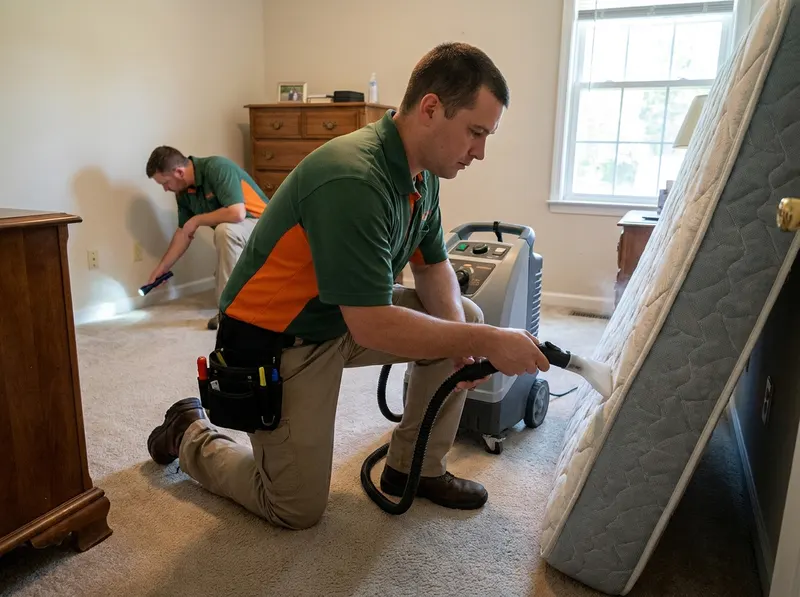
Bed bug remediation requires distinct protocol shifts between isolated single-room treatments and whole-structure interventions. Over-the-counter pyrethroid foggers frequently fail due to high genetic resistance in urban strains, dispersing pests deeper into wall cavities between rooms. In historic pinewood framing common across Old Town and Harrisburg cottages, floor settling creates expansion gaps where bed bugs harbor up to 8 feet away from human sleeping zones. For single bedrooms or studio apartments in Montclair and Barton Village, targeted liquid residual applications paired with silica aerogel desiccants neutralize bed bugs without the elevated electrical and logistical load of full thermal setups. Conversely, multi-room single-family residences in Summerville and Forest Hills often require combined structural steam application reaching sustained temperatures above 122 degrees Fahrenheit (50 degrees Celsius), which eliminates all life stages including eggs on contact. The operational trade-off centers on preparation intensity versus chemical footprint: thermal application requires removing wax, aerosol cans, and vinyl blinds to prevent structural heat damage, whereas liquid residual protocols require occupants to vacuum daily and vacate the premises for 4 hours until treated surfaces fully dry.
Rental turnovers, duplexes, and multi-family structures near Augusta University Summerville Campus or Piedmont Augusta Hospital present connected wall voids where pests easily migrate along plumbing and electrical chases. Treatment success in these environments relies on installing mattress encasements that trap existing nymphs and sealing shared electrical outlet cutouts with amorphous silica dust. Service plans avoid forced recurring 12-month chemical subscription contracts, focusing exclusively on targeted diagnostic eradication tailored to the verified biological density of the infestation. Technicians complete an initial knockdown service followed by a secondary verification sweep 14 to 21 days later to target newly hatched instars before they achieve adult reproductive maturity. Properties bordering high-humidity areas like Phinizy Swamp Nature Park or the Augusta Canal National Heritage Area encounter elevated moisture levels that can degrade low-grade barrier powders; commercial-grade microencapsulated formulations resist ambient humidity degradation to maintain an active barrier across hardwood floor interfaces for up to 90 days.
Every job gets a firm, written price after a free on-site visit.
Tell us about your bed bug remediation job in Augusta and we'll send a clear, written quote, usually the same day.
 Trivano Pest Assistance